“David inspected our 1958 home and determined that the drywood termite activity had spread into three separate roof sections and the garage framing. He recommended fumigation and coordinated everything professionally. We were back in the house in three days with a clear post-fumigation report.”
Termite Fumigation — Tanglewood
Termite Fumigation in Tanglewood, TX
When drywood termite infestations in Tanglewood's original 1950s and 1960s construction span multiple structural areas, whole-structure fumigation delivers the complete elimination that spot treatment alone cannot guarantee. Resolve coordinates fumigation for Tanglewood homeowners with the professionalism your property deserves.
- Whole-structure fumigation for widespread drywood termite infestations
- Coordinated scheduling to minimize displacement for Tanglewood homeowners
- Post-fumigation inspection confirming full elimination before re-entry
When Tanglewood Homeowners Need Fumigation — and What Resolve Provides
Fumigation is the right solution when drywood termite activity has spread across multiple structural areas in Tanglewood's original construction.
- Complete elimination of all drywood termite colonies throughout the entire structure — not just treated zones
- Recommended when drywood activity spans attic, wall voids, and multiple floor levels in original construction
- David coordinates the full fumigation process and provides pre- and post-fumigation inspections
- Post-fumigation inspection confirms clearance before re-entry — protecting your family and your investment
- Coordinated scheduling respects the demands of busy Tanglewood household calendars
- Follow-up protective treatment applied after fumigation to prevent new infestation
What Tanglewood Homeowners Say About Resolve's Fumigation Coordination
Whole-Structure Elimination Pre and Post Inspection No Contracts
“I appreciated that David was honest about when fumigation was truly necessary versus when spot treatment was sufficient. He didn't push us toward the more expensive option when it wasn't needed. When it was needed, he managed the whole process seamlessly.”
“Our Tanglewood home had original cedar-lined closets and attic framing from the 1960s — drywood termite heaven. David's pre-fumigation inspection was thorough, and the post-fumigation clearance gave us confidence that the job was done right. Very professional from start to finish.”
What the Fumigation Process Covers for Tanglewood Properties
A properly coordinated fumigation eliminates every drywood termite colony inside the structure — from the attic to the baseboards.
Pre-Fumigation Inspection
David conducts a thorough pre-fumigation inspection to confirm the extent of drywood termite activity, map all affected structural areas, and verify that fumigation is the appropriate treatment over spot application.
Whole-Structure Fumigant Penetration
Structural fumigants penetrate all wood members throughout the home — attic rafters, wall framing, floor joists, and interior millwork — eliminating every drywood termite colony in areas inaccessible to spot treatment.
Fumigation Scheduling and Preparation Guidance
David coordinates scheduling and provides Tanglewood homeowners with a clear preparation checklist covering food storage, plant removal, and temporary relocation planning to minimize disruption.
Post-Fumigation Clearance Inspection
After fumigant aeration, David performs a post-fumigation inspection and confirms it is safe to re-enter the property. No re-entry is recommended until clearance is confirmed.
Protective Follow-Up Treatment
After fumigation, a preventive treatment is applied to exposed wood surfaces and attic framing to create a residual barrier against new drywood termite infestation — a critical step for Tanglewood's older construction.
Subterranean Follow-Up Program
Fumigation addresses drywood termites only. David assesses whether the property also requires liquid barrier or Sentricon bait station treatment for Tanglewood's Formosan and subterranean termite pressure.
How Tanglewood Termite Fumigation Works
A coordinated, step-by-step process that protects your Tanglewood home from widespread drywood termite infestation.
- 1
David inspects the full structure, mapping drywood termite activity to determine whether spot treatment or whole-structure fumigation is the appropriate solution. He is direct about which option the situation actually requires.
- 2
Once fumigation is confirmed, David provides a preparation checklist and coordinates a schedule that minimizes household disruption. Most Tanglewood fumigation jobs require 2-3 days for tenting, fumigation, and aeration.
- 3
A licensed fumigation crew tents the structure and introduces fumigant gas, which penetrates all wood members and enclosed spaces. Aeration removes all gas from the structure before clearance testing begins.
- 4
David performs the clearance inspection, confirms safe re-entry, and applies protective follow-up treatment to exposed wood. He then assesses whether a subterranean termite program is also needed for the property.
Fumigation vs. Spot Treatment for Tanglewood Drywood Termite Infestations
Understanding which treatment is right for your Tanglewood home depends on how widely the infestation has spread.
| Feature | Whole-Structure Fumigation | Spot Treatment Only |
|---|---|---|
| Eliminates all colonies throughout entire structure | ✓ | ✗ |
| Reaches wood voids and spaces inaccessible to injection | ✓ | ✗ |
| Best for multi-zone infestations in original construction | ✓ | ✗ |
| No household displacement required | ✗ | ✓ |
| Lower upfront cost for limited infestations | ✗ | ✓ |
| Appropriate when activity is isolated to one area | ✗ | ✓ |
| Post-treatment protective residual available | ✓ | ✓ |
Case Study
How Resolve Coordinated Fumigation for a 1961 Tanglewood Home with Multi-Zone Drywood Activity
The Problem
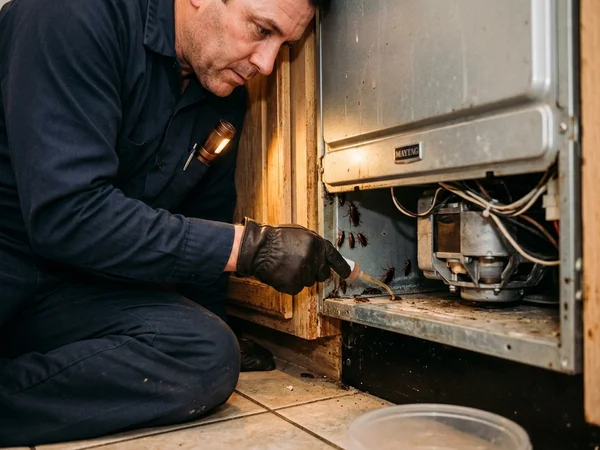
A Tanglewood homeowner hired Resolve for a termite inspection after a renovation contractor discovered soft wood in the eave framing. David's inspection found active drywood termite galleries in the front eave, rear attic rafters, and original hardwood window frames on the second floor — three separate structural zones that made spot treatment an incomplete solution.
Our Solution
David recommended whole-structure fumigation given the extent and distribution of the infestation. He coordinated the process, provided the household with a clear preparation checklist, and managed scheduling around the family's travel calendar. After fumigation and aeration, David performed the clearance inspection and applied a protective borate treatment to all accessible attic framing.
The Outcome
The family re-entered the home on day three with a clear clearance report. David subsequently treated the property for Formosan subterranean termites, which had been identified as a separate active issue at the rear foundation during the original inspection.

Termite Fumigation FAQs for Tanglewood Homeowners
When is fumigation the right choice over spot treatment?
Fumigation is typically the right choice when drywood termite activity has been confirmed in multiple, separate structural areas — such as different sections of the attic, wall voids on different floors, or both attic framing and window components. David's pre-fumigation inspection determines whether the spread genuinely warrants whole-structure treatment.
How long will my family need to be out of the home during fumigation?
Most whole-structure fumigation jobs in Tanglewood require 2-3 days from tenting to confirmed safe re-entry. The exact timeframe depends on the size of the structure and ambient temperature conditions that affect fumigant penetration and aeration speed.
Will fumigation kill subterranean termites as well?
No. Structural fumigants target drywood termites living within wood members. Subterranean and Formosan termites live primarily in soil and are not affected by fumigation. If David identifies subterranean termite pressure during the inspection, he will recommend a separate liquid barrier or bait station treatment.
Is fumigation safe for the original hardwood floors and millwork in my Tanglewood home?
Yes. Structural fumigants used by licensed professionals do not damage hardwood floors, millwork, or other interior finishes. They are gases that penetrate and dissipate from wood — they do not stain, corrode, or chemically alter the wood surfaces Tanglewood's original construction is valued for.
Do I need to do anything to prepare my home for fumigation?
Yes. David provides a preparation checklist covering food and medication bagging requirements, plant removal from the home, pet relocation, and other standard preparation steps. The fumigation team handles the tenting and sealing — your responsibility is household preparation according to the checklist.
What happens after fumigation to prevent a new infestation?
David applies a preventive borate treatment to accessible attic framing and exposed wood after fumigation, creating a residual barrier against new drywood termite infestation. He also recommends annual inspection to catch any new activity before it spreads — particularly important for Tanglewood's older original construction.
Related Termite Services in Tanglewood
Get a Termite Fumigation Assessment for Your Tanglewood Home
Call David directly at (832) 519-6650 for a thorough inspection that determines whether fumigation or spot treatment is the right solution — no upsell, no pressure, just an honest assessment from a 20-year Harris County professional.