
“We found drywood termite frass in the corner of an upstairs closet. David inspected the attic and found two isolated gallery areas in adjacent rafters. He treated both spots directly and applied preventive treatment to the surrounding framing. No fumigation needed — and no mess, no displacement, no drama.”
Drywood Termite Treatment — Tanglewood
Drywood Termite Treatment in Tanglewood, TX
Tanglewood's original 1950s and 1960s attic rafters, fascia boards, and interior millwork have had decades to become prime drywood termite harborage. Resolve's targeted spot treatment eliminates active colonies in original construction without the disruption of whole-structure fumigation when the infestation is contained.
- Targeted spot treatment for drywood termite galleries in attic rafters and fascia boards
- Preserves Tanglewood's original construction materials and architectural details
- Full inspection determines whether spot treatment or fumigation is the right solution
Why Drywood Termite Spot Treatment Is the Right First Step for Many Tanglewood Homes
Original 1950s and 1960s construction is a known drywood termite target — but not every infestation requires full fumigation.
- Spot treatment eliminates localized drywood colonies without requiring household displacement
- Preserves original attic framing, cedar-lined closets, and millwork that define Tanglewood's classic construction
- David inspects to determine whether spot treatment is appropriate or whether fumigation is genuinely necessary
- Termiticide injected directly into active galleries — eliminating the colony where it lives
- Protective borate treatment applied to exposed attic framing as a preventive barrier against future infestation
- Annual attic inspection confirms spot treatment effectiveness and catches any new activity early
Tanglewood Homeowners on Resolve's Drywood Termite Treatment
Spot Treatment Specialists Original Construction Preserved Honest Assessment
“I appreciated that David was upfront about when spot treatment is sufficient and when fumigation becomes necessary. He didn't try to sell me the more expensive option when the infestation didn't warrant it. Clear, honest advice from someone who clearly knows drywood termites in older Houston construction.”
“Our home has the original cedar-lined attic room from 1962 — I was worried treatment would damage it. David spot-treated the affected rafters with care and was completely transparent about what was treated and why. The cedar is intact and the termites are gone.”
Drywood Termite Treatment Services for Tanglewood's Original Construction
From targeted spot treatment to protective preventive programs — covering every drywood termite scenario in Tanglewood's established homes.
Attic Rafter Spot Treatment
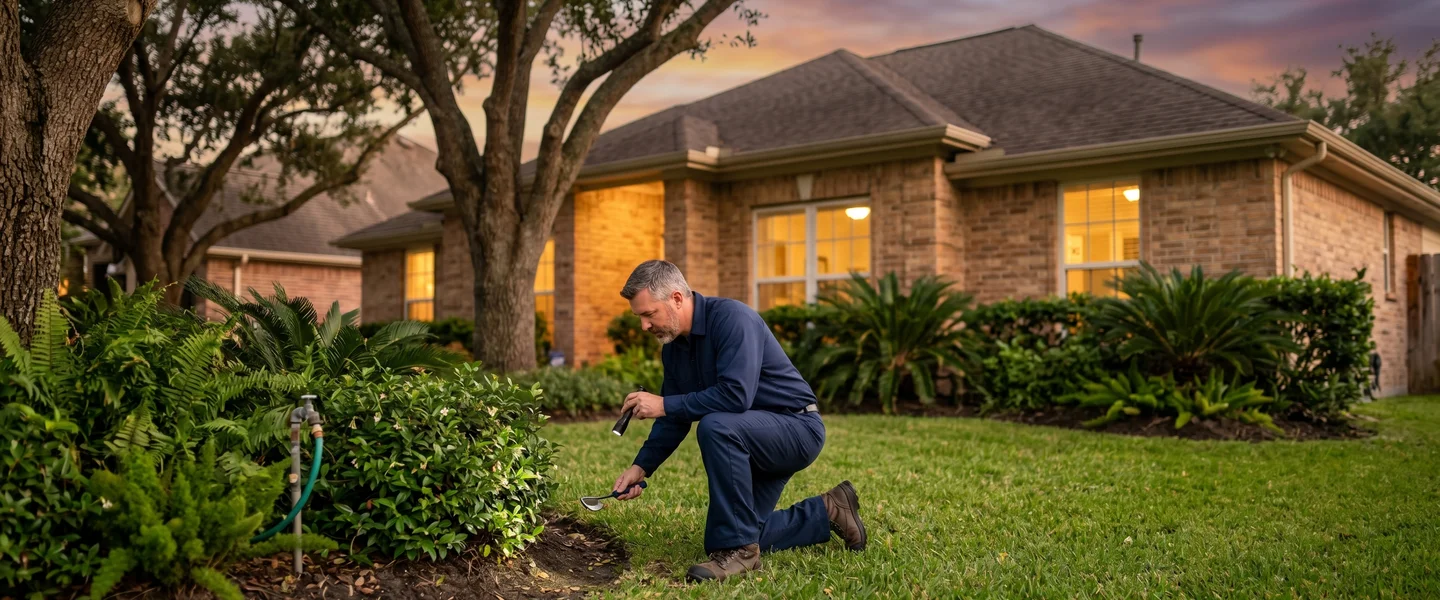
Active drywood termite galleries in attic rafters are treated by injecting termiticide directly into gallery entry holes, killing the colony throughout the gallery system. David inspects all accessible attic framing before treatment.
Fascia Board Treatment
Exterior fascia boards on Tanglewood homes — especially those with original wood under paint — are common drywood termite entry points. Infested sections are treated through direct injection or surface application.
Interior Millwork and Window Frame Treatment
Original hardwood window frames, door casings, and interior millwork common in Tanglewood's classic construction can harbor isolated drywood colonies. David treats affected sections without replacing or damaging surrounding finish work.
Preventive Borate Treatment
After spot treatment, exposed attic framing receives a preventive borate application — a long-lasting, non-disruptive treatment that penetrates wood and prevents new drywood termite establishment in Tanglewood's older construction.
Drywood vs. Fumigation Assessment
David determines whether your infestation is localized enough for effective spot treatment or widespread enough to require whole-structure fumigation. This honest assessment saves homeowners from unnecessary fumigation when spot treatment will fully resolve the problem.
Annual Attic Inspection
Drywood termites can establish new colonies over time in Tanglewood's older attic environments. Annual attic inspection catches new activity before it spreads beyond spot-treatable limits — keeping fumigation off the table.
How Drywood Termite Spot Treatment Works in Tanglewood
A thorough, minimally disruptive treatment process for drywood termite colonies in Tanglewood's original construction.
- 1
David inspects all accessible attic framing, fascia areas, and interior wood components for frass deposits, gallery entry holes, and the characteristic hexagonal pellets that indicate active drywood termite colonies.
- 2
Based on the extent and distribution of the infestation, David determines whether spot treatment will fully resolve the problem or whether whole-structure fumigation is necessary. He explains his reasoning clearly without pressure.
- 3
Termiticide is injected directly into drywood termite gallery entry holes, filling the gallery system and eliminating the colony. All accessible gallery areas are treated in a single service visit.
- 4
Exposed attic framing receives a preventive borate treatment. David schedules a follow-up inspection 90 days later to verify elimination and check for frass from any remaining untreated galleries.
Drywood Spot Treatment vs. Fumigation for Tanglewood Homeowners
The right choice depends on how widely the infestation has spread through your home's construction — David's inspection determines which is appropriate.
| Feature | Drywood Spot Treatment | Whole-Structure Fumigation |
|---|---|---|
| No household displacement required | ✓ | ✗ |
| Suitable for localized, single-zone infestations | ✓ | ✗ |
| Eliminates colonies in inaccessible voids | ✗ | ✓ |
| Best for multi-zone or widespread activity | ✗ | ✓ |
| Preserves and protects original materials in place | ✓ | ✓ |
| Lower cost for contained infestations | ✓ | ✗ |
| Preventive borate residual available after treatment | ✓ | ✓ |
Case Study
How Resolve Eliminated Drywood Termites in a Tanglewood Home's Original 1957 Rafters
The Problem
A Tanglewood homeowner discovered frass in the corner of a bedroom closet, which led to an attic inspection revealing active drywood termite galleries in four adjacent rafter sections in the rear slope — all within a roughly 12-foot span. The rest of the attic showed no evidence of drywood activity, making this a well-contained infestation well-suited to spot treatment.
Our Solution
David injected termiticide into all confirmed gallery entry holes across the four affected rafters, thoroughly treating each gallery system. He then applied a borate surface treatment to the surrounding 20-foot section of attic framing as a preventive buffer, protecting the adjacent original wood from future drywood termite establishment.
The Outcome
A 90-day follow-up inspection confirmed no new frass production from the treated rafters and no spread to adjacent framing. The homeowner avoided fumigation and the associated household displacement. Annual attic inspection was scheduled to catch any future activity at the earliest stage.
Drywood Termite Treatment FAQs for Tanglewood Homeowners
How do I know if I have drywood termites versus subterranean termites?
Drywood termites live entirely within the wood they infest — no soil contact or mud tubes. The clearest sign is small, hexagonal fecal pellets (frass) that they push out of gallery entry holes, typically appearing as piles of tiny granules beneath infested wood. Subterranean termites build mud tubes connecting soil to wood. David identifies species definitively during the inspection.
Is original 1950s and 1960s construction more vulnerable to drywood termites?
Yes. Original construction framing, attic rafters, fascia boards, and hardwood millwork from that era were often made from old-growth lumber with tight grain — highly attractive to drywood termites. These materials were typically not treated with modern preservatives, giving drywood termites decades of access without chemical barriers.
Will spot treatment work if the infestation is widespread?
Spot treatment is effective when the infestation is localized — active galleries confined to a specific structural area. When David's inspection finds drywood activity distributed across multiple separate areas of the home, he will honestly recommend fumigation, which provides complete penetration that spot treatment cannot match for widespread infestations.
How long does drywood spot treatment take?
A spot treatment visit for a localized infestation typically takes 1-2 hours, depending on the number of gallery areas being treated and the accessibility of the attic space. No overnight products, no tenting, no household displacement.
What is borate treatment and how long does it last?
Borate treatment is a wood preservative applied to exposed wood surfaces that penetrates into the wood fiber, making it toxic to termites and other wood-destroying insects. Applied to attic framing after spot treatment, borate creates a long-lasting preventive barrier — effective for the life of the treated wood under typical indoor conditions.
Can I treat drywood termites in my fascia boards without replacing the boards?
Yes, in many cases. If the fascia boards are structurally sound and the gallery damage is not extensive, David can treat active galleries in place through direct injection. Severely damaged sections with compromised structural integrity are a different scenario and may require replacement — which David will identify and document during the inspection.
Related Termite Services in Tanglewood
Address Drywood Termites in Your Tanglewood Home Today
Call David at (832) 519-6650 for an attic and structure inspection that determines whether spot treatment will resolve the problem — or whether fumigation is genuinely needed. Honest assessment, no upsell.