“We had a previous company tell us our 1958 house needed full fumigation. David came out, inspected carefully, and said spot injection would handle the localized colony in our attic framing. He was right — treated in one visit, confirmed clear at 60 days. We saved thousands by getting an honest second opinion.”
Drywood Termite Specialists for Upper Kirby Homes
Drywood Termite Treatment in Upper Kirby, TX
The older single-family homes along the west side of Kirby Drive carry decades of accumulated drywood termite risk in their original wood framing, fascia, and hardwood floors. Resolve delivers targeted spot treatment and whole-structure fumigation options — matched to the scope of your infestation, not a default upsell.
- Targeted spot injection for localized drywood infestations — no fumigation required in many cases
- Whole-structure fumigation coordination when infestations span multiple structural areas
- Expert knowledge of drywood termite behavior in pre-1975 Upper Kirby construction
Why Drywood Termite Risk Is High in Upper Kirby's Older Homes
Drywood termites thrive in the structural wood of homes built before modern treatment standards — and Upper Kirby has a significant stock of exactly these properties.
- Pre-1975 construction on west Kirby Drive uses original untreated wood framing, fascia, and trim
- Drywood termites require no soil contact — attic framing and fascia boards are primary targets
- Hardwood flooring common in older Upper Kirby homes provides ideal drywood habitat
- Infestations often go undetected for years — frass deposits and hollow sound are the main indicators
- Spot injection can eliminate localized colonies without the disruption of full fumigation
- Owner-operated — David gives you an honest assessment, not a fumigation upsell
Upper Kirby Homeowners on Drywood Termite Treatment
Spot Treatment Specialists No Unnecessary Fumigation Satisfaction Guaranteed
“Drywood termites in the fascia boards along the back of my house. David treated them with spot injection, sealed the entry points, and gave me a detailed report on what to watch for. Very thorough, very reasonable, and he explained everything without talking down to me.”
“David found drywood termite frass in our hardwood floors during a routine inspection. He identified the colony location precisely and treated it without pulling up the flooring. The precision of the work was impressive — you'd never know he'd been there. Highly recommend.”
Drywood Termite Treatment Options for Upper Kirby Properties
We match the treatment approach to the infestation — always recommending the least disruptive effective solution.
Spot Injection Treatment
Injectable termiticide applied directly into confirmed drywood termite galleries in wood framing, fascia, window frames, and hardwood flooring — effective without requiring resident relocation.
Gallery Mapping and Documentation
Before treatment, David maps all identified gallery locations and documents findings with photographs — providing a clear record of infestation scope and treatment plan.
Entry Point Sealing
After treatment, we seal known entry points — attic vents, fascia gaps, wood-to-wood joints — to prevent future drywood colony establishment in the treated structure.
Whole-Structure Fumigation Coordination
When drywood termites are found in multiple disconnected structural areas, we coordinate whole-structure fumigation including pre-treatment logistics and clearance inspection.
Post-Treatment Verification
A follow-up inspection at 60 to 90 days confirms no live colony activity in treated areas and checks adjacent wood elements for secondary infestation.
WDO Report for Real Estate
If drywood termites are found during a pre-purchase inspection, the WDO report documents all affected areas. The $175 inspection fee is credited toward treatment.
How Drywood Termite Treatment Works in Upper Kirby
A targeted, minimally disruptive process for isolating and eliminating drywood colonies.
- 1
David performs a thorough inspection of attic framing, fascia boards, window and door frames, and accessible hardwood flooring areas — identifying frass deposits, hollow sounds, and gallery evidence.
- 2
We determine whether the infestation is localized (spot injection appropriate) or widespread across multiple disconnected structural areas (fumigation required). You receive an honest recommendation either way.
- 3
Spot injection is applied directly into confirmed gallery locations. Entry points are sealed after treatment. For fumigation cases, we coordinate the full logistics including clearance inspection.
- 4
Follow-up inspection at 60 to 90 days confirms treatment effectiveness. We provide a prevention checklist identifying wood elements and entry points to monitor going forward.
Drywood Spot Treatment vs. Whole-Structure Fumigation: How We Decide
| Feature | Spot Injection (Localized) | Whole-Structure Fumigation |
|---|---|---|
| No resident relocation required | ✓ | ✗ |
| Appropriate for isolated or confined colonies | ✓ | ✗ |
| Eliminates all colonies throughout the full structure | ✗ | ✓ |
| Required when infestation spans multiple disconnected areas | ✗ | ✓ |
| Provides residual protection in treated wood | ✓ | ✗ |
| Less expensive and faster for localized infestations | ✓ | ✗ |
| Resolve recommends this method when scope justifies it | ✓ | ✓ |
Case Study
Treating Drywood Termites in Hardwood Flooring Without Disrupting an Upper Kirby Home
The Problem
A homeowner in a 1963 Upper Kirby bungalow noticed small piles of sandy frass near a section of original hardwood flooring in the living room. A previous contractor suggested pulling up the affected boards to treat underneath. The homeowner contacted Resolve for a second opinion before committing to the costly repair.
Our Solution
David inspected the flooring and identified the drywood termite gallery location based on frass accumulation patterns and hollow sound probing. He recommended targeted spot injection through strategic small-drill access points in the existing floor, avoiding any board removal. Injectable termiticide was applied directly into confirmed gallery channels and access points were sealed with color-matched wood filler.
The Outcome
At a 60-day follow-up, no new frass deposits were found and the hollow sound from the gallery area had disappeared — confirming colony elimination. The homeowner's flooring remained intact, saving an estimated repair cost while resolving the infestation permanently.
Drywood Termite FAQs for Upper Kirby Homeowners
How do I know if my Upper Kirby home has drywood termites?
The most reliable indicator is frass — small sandy or pellet-shaped droppings that accumulate in piles beneath infested wood. Hollow sounds when wood is tapped and small holes or galleries visible in exposed wood surfaces are also signs. Unlike subterranean termites, drywood species leave no mud tubes and require no soil contact, making them harder to detect visually until damage is significant.
Which Upper Kirby homes are most at risk for drywood termites?
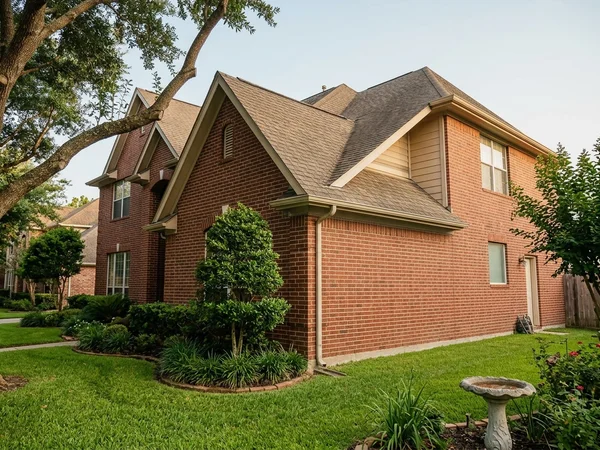
Homes built before 1975, especially the original single-family bungalows and ranch homes on the west side of Kirby Drive, carry the highest drywood termite risk. Original wood framing, untreated fascia boards, hardwood floors, and vintage attic structures provide ideal habitat. Newer townhomes and condos are generally built with treated lumber and are at lower risk, though wood trim and fascia can still be targeted.
Is fumigation always necessary for drywood termites?
No. When drywood termite colonies are localized to one or two specific areas, targeted spot injection is often sufficient and significantly less disruptive than whole-structure fumigation. Fumigation is the right choice when multiple disconnected areas of the structure are infested and spot treatment cannot reach all colony locations. David always assesses both options honestly and recommends based on actual infestation scope.
Can spot injection work on hardwood floors without pulling them up?
In many cases, yes. David uses precision injection techniques that access gallery channels through small strategic drill points, allowing treatment without board removal. The access points are sealed with color-matched wood filler after treatment. Success depends on the gallery location and depth — we assess feasibility during the inspection.
How do drywood termites get into homes in the first place?
Drywood termites enter structures during swarming season through small gaps in wood-to-wood joints, attic vents, window frames, and exposed end-grain wood. In older Upper Kirby homes, deteriorating fascia boards, cracked eave soffits, and unscreened attic vents are common entry points. After treatment, sealing these access points helps prevent future colony establishment.
How long does drywood spot treatment take?
A typical spot injection treatment for a localized drywood infestation takes 1 to 2 hours for an average Upper Kirby home. Larger or more complex jobs involving multiple structural areas take longer. There is no required evacuation period for spot treatment — you can remain in the home throughout the process.
Get an Honest Drywood Termite Assessment for Your Upper Kirby Home
Before you commit to fumigation — or ignore the problem because you're not sure what's there — let David inspect and give you a clear, honest answer. Call to schedule or request a quote online.