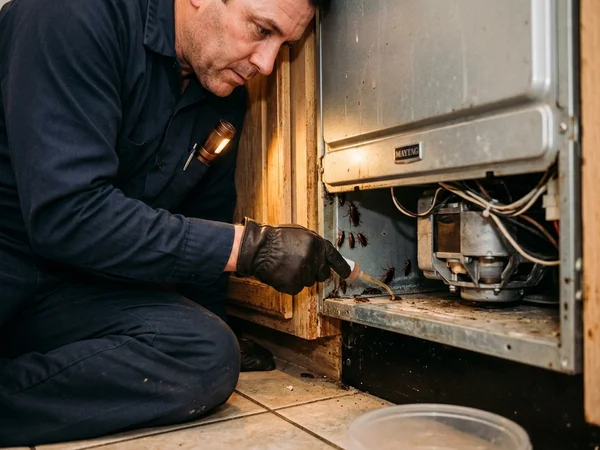
“We had flooding from Hurricane Harvey and two years later found subterranean termite mud tubes under our pier-and-beam crawlspace. David explained that storm flooding often activates dormant colonies — something I had never heard before. The crawlspace soil treatment was thorough and the Sentricon stations have shown no new activity in two years of monitoring.”
Subterranean Termite Treatment — Clear Lake, TX
Subterranean Termite Treatment in Clear Lake, TX
Subterranean termites thrive in the moist clay soil beneath Clear Lake's waterfront neighborhoods. Post-storm flooding repeatedly reactivates dormant colonies, pushing foraging toward the nearest untreated wood structure. Resolve provides targeted subterranean termite treatment — liquid barriers and Sentricon monitoring — for Clear Lake slab and pier-and-beam homes.
- Termidor liquid barrier eliminates active Formosan and subterranean colonies
- Sentricon Always Active stations intercept foraging before it reaches your structure
- Pier-and-beam crawlspace soil treatment for homes near the lake and Clear Creek
- Annual monitoring plans — no long-term contracts required
Why Clear Lake Homeowners Trust Resolve for Subterranean Termite Treatment
Bay-area waterfront expertise, precise soil treatment, and monitoring designed for Clear Lake's storm-driven termite cycle.
- 20+ years treating subterranean and Formosan termite pressure in Harris County waterfront soil conditions
- Post-flood colony activation assessment — most providers miss this seasonal Clear Lake risk
- Full crawlspace soil treatment for pier-and-beam homes near the lake with direct ground-to-wood termite access
- Sentricon stations on the flood-side and water-side of the property intercept recurring colony pressure
- EPA-registered Termidor — effective against both native subterranean and Formosan species
- No long-term contracts — annual monitoring or standalone treatment, your choice
Clear Lake Homeowners on Subterranean Termite Treatment
Post-Flood Expertise Pier-and-Beam Specialists 20+ Years Experience
“Our slab home is about 50 feet from the drainage channel behind our neighborhood. David found active Formosan foraging along the back foundation wall — the section closest to the water. He applied the liquid barrier specifically focused on that side and added Sentricon stations along the channel. The swarmers stopped the following spring.”
“I'd noticed mud tubes in the garage twice before and had them treated by two different companies without a lasting result. David found that the previous treatments had left gaps along the garage-to-house slab transition — exactly where the colony was foraging. Complete perimeter treatment this time and no recurrence.”
Subterranean Termite Treatment Services for Clear Lake Homes
Soil treatment, barrier application, and monitoring designed for the specific moisture and flood conditions of Clear Lake's waterfront environment.
Liquid Termidor Barrier
Full-perimeter soil injection of Termidor termiticide along the foundation creates a non-repellent colony elimination barrier. Subterranean and Formosan workers pass through the treated zone and carry the active ingredient back to the colony — achieving whole-colony elimination including the queen.
Sentricon Always Active Monitoring
In-ground bait stations placed around the full property perimeter intercept foraging termites and deliver colony-eliminating bait. Stations are positioned with extra density on the water-side and flood-side of the property where recurring colony pressure is highest.
Pier-and-Beam Crawlspace Soil Treatment
Homes near Clear Lake and Clear Creek with pier-and-beam foundations give subterranean termites direct soil-to-wood access beneath the floor. Crawlspace soil treatment eliminates existing foraging and creates a protective zone that prevents new colony access to joist and beam contact points.
Post-Storm Colony Activation Assessment
Major flood events saturate Clear Lake soil and reactivate dormant subterranean termite colonies that have been inactive for years. David recognizes the storm-activation pattern and recommends timely inspection and treatment for waterfront and bayou-adjacent properties after significant flooding.
Formosan Colony Identification
Formosan termites are more aggressive and larger in colony size than native subterranean species — a critical distinction for treatment planning. David identifies Formosan activity by swarmer morphology and mud tube composition before selecting treatment intensity.
Annual Re-Inspection and Station Service
Annual station service and perimeter re-inspection confirms treatment effectiveness and identifies new foraging pressure early — important in Clear Lake's recurring storm cycle. Documentation provided after every inspection.
How Subterranean Termite Treatment Works in Clear Lake
A methodical soil treatment process matched to your home's foundation type and waterfront risk level.
- 1
David inspects the foundation perimeter, crawlspace (if applicable), garage slab edges, and yard for mud tubes, swarmer evidence, and other subterranean activity. Species identification determines the appropriate treatment intensity.
- 2
For waterfront and bayou-adjacent properties, David maps the flood risk zones and high-moisture areas around the foundation. Sentricon stations and liquid barrier application are concentrated on the highest-risk sections of the perimeter.
- 3
Liquid barrier is injected through the soil along the foundation using a soil rod. For crawlspace homes, soil treatment is applied under the structure as well. Sentricon stations are installed at intervals determined by the colony pressure pattern.
- 4
A 30- to 60-day follow-up confirms colony elimination. Annual station service and re-inspection keeps the property protected through subsequent storm seasons and the recurring soil moisture conditions of Clear Lake's bay-area environment.
Resolve vs. Other Subterranean Termite Providers in Clear Lake
| Feature | Resolve Pest and Termite | Other Providers |
|---|---|---|
| Post-flood colony activation assessment | ✓ | ✗ |
| Crawlspace soil treatment for pier-and-beam homes | ✓ | Sometimes |
| Sentricon stations concentrated on flood-side perimeter | ✓ | ✗ |
| Formosan vs. native species identification before treatment | ✓ | ✗ |
| No long-term contracts | ✓ | ✗ |
| Owner performs every treatment | ✓ | ✗ |
| Full-perimeter liquid barrier available | ✓ | ✓ |
Case Study
Clear Lake: Recurring Subterranean Infestation Resolved After Proper Full-Perimeter Treatment
The Problem
A Clear Lake homeowner with a slab home near Taylor Lake had dealt with subterranean termite mud tubes in the garage for three consecutive years. Each year, a treatment had been applied to the visible tubes but the foraging resumed within 12 months. An inspection revealed the root issue: all three previous treatments had been partial perimeter applications missing the rear foundation wall adjacent to the low yard area where storm runoff pooled after rain events.
Our Solution
David performed a complete perimeter assessment including soil moisture testing at all four sides of the foundation. A full-perimeter liquid barrier was applied with extra soil injection rod coverage along the low-yard side where moisture consistently concentrated. Six Sentricon stations were installed around the property with four positioned on the high-moisture rear and side sections.
The Outcome
No mud tube activity was found at the 60-day follow-up or during the annual re-inspection 14 months later. The Sentricon stations on the rear of the property showed early interception activity at month seven — confirming that new colony pressure had been detected and redirected before reaching the structure. The homeowner switched to annual monitoring with Resolve.
Subterranean Termite Treatment FAQs — Clear Lake, TX
Why do subterranean termites keep coming back in Clear Lake after treatment?
The most common cause is a partial-perimeter treatment that leaves gaps along the high-moisture side of the foundation — typically the side facing a drainage channel, bayou, or low yard area. New colony foraging concentrates in untreated soil sections. A complete perimeter treatment with Sentricon monitoring on the high-risk sides eliminates this gap.
Does flooding really reactivate dormant subterranean termite colonies?
Yes. Saturated soil shifts the moisture gradient and temperature conditions that regulate subterranean termite foraging behavior. Colonies that have been dormant or foraging below the detection threshold can dramatically increase activity within weeks of significant flooding. Clear Lake homeowners should schedule an inspection 30 to 60 days after any major storm event.
What is the difference between Formosan and native subterranean termites in Clear Lake?
Formosan termites are an invasive species with colonies 10 to 30 times larger than native subterranean species — up to several million workers. Formosan colonies cause structural damage significantly faster and are harder to eliminate with lower-intensity treatments. Harris County, including Clear Lake, is within the established Formosan termite range. Species identification before treatment matters.
How long does a liquid barrier treatment last?
Termidor liquid barrier provides effective protection for five years or more under normal conditions. However, Clear Lake's recurring flooding and high soil moisture can reduce product longevity in heavily saturated areas. Annual inspection helps identify whether any sections of the barrier need reinforcement before colony pressure exploits a degraded zone.
Is Sentricon or a liquid barrier better for my Clear Lake home?
Both are effective but serve different roles. Liquid barrier eliminates an active infestation immediately. Sentricon is the better long-term monitoring and prevention tool, intercepting new foraging before it reaches the structure. For Clear Lake waterfront homes with recurring flood risk, using both together provides the most durable protection.
Can you treat under my pier-and-beam crawlspace?
Yes. Crawlspace soil treatment is included for pier-and-beam homes in Clear Lake. David treats the soil at joist and beam contact points, along the perimeter beams, and at any visible moisture-concentration areas in the crawlspace. This is the most direct access point for subterranean termites in these older waterfront homes.
Related Termite Services in Clear Lake
Stop Subterranean Termites at the Source in Clear Lake
Clear Lake's storm cycle and waterfront moisture create recurring colony pressure that partial treatments can't resolve. Get a complete inspection from David and a treatment plan matched to your home's specific risk profile — no contracts, no surprises.