
“A stray cat got into our garage and we had fleas in the house within two weeks. I tried two different flea bombs with no luck. David came out, explained why the bombs weren't working, and treated the whole house plus the yard. Within three weeks, the fleas were completely gone. He also came back to check, which I really appreciated.”
Houston Flea and Tick Control
Flea and Tick Control in Houston, TX
Houston's warm, humid climate keeps fleas and ticks active year-round. One untreated flea can lay up to 50 eggs a day, and ticks in the Houston area carry diseases including Rocky Mountain Spotted Fever. Resolve treats the full life cycle — eggs, larvae, pupae, and adults — indoors and out, so infestations stay gone.
- Insect growth regulator (IGR) stops eggs and larvae from developing into biting adults
- Indoor treatment covers floors, carpets, baseboards, furniture bases, and pet resting areas
- Yard treatment targets shaded areas, lawn edges, and pet paths where fleas and ticks thrive
- Follow-up service included — we come back to confirm the infestation is cleared
Why Houston Homes Face Flea and Tick Problems Year-Round
Most parts of the country get a winter break from fleas and ticks. Houston does not. Temperatures rarely stay cold long enough to kill off outdoor populations, which means flea and tick pressure can persist through January and February and ramp right back up in early spring. Pets that go outdoors are the primary way both parasites enter a home, but fleas can also hitch a ride on clothing, and wildlife like opossums and raccoons deposit flea eggs across yards regularly.
Fleas reproduce fast. A single female flea can lay up to 50 eggs per day, and those eggs fall off pets into carpets, furniture, and floor cracks — not onto the pet itself. Most of the flea population in an infested home is in the pre-adult stage: eggs, larvae, and pupae hiding in flooring. Over-the-counter sprays and flea bombs kill the adults you see but leave the developing population untouched. Without an insect growth regulator (IGR) that disrupts the life cycle, fleas hatch continuously for weeks after treatment.
Ticks bring a different risk. The lone star tick, the American dog tick, and the black-legged tick are all present in Greater Houston and its surrounding wooded areas. Tick-borne illnesses including Rocky Mountain Spotted Fever, ehrlichiosis, and Lyme disease have been documented in Texas. Pets bring ticks inside after yard time, and ticks can survive indoors for days waiting for a host. Treating both the yard perimeter and indoor resting areas is the approach that breaks the cycle.
What Resolve's Flea and Tick Control Delivers
Full life-cycle treatment — not just the adults you see.
- IGR (insect growth regulator) prevents flea eggs and larvae from developing into biting adults
- Indoor treatment covers carpets, floors, baseboards, furniture bases, and pet resting zones
- Yard treatment targets shaded areas, pet paths, under decks, and lawn edges where populations build
- EPA-registered products safe for pets and children after the communicated re-entry window
- No contracts required — treatment is available as a one-time service or with a follow-up plan
- Follow-up service included to confirm the infestation is cleared and re-treatment if needed
How Resolve Treats for Fleas and Ticks
Six targeted treatment steps that address every stage of the infestation.
Indoor Floor and Carpet Treatment
Residual insecticide applied to all floor surfaces, carpet edges, and cracks where flea eggs and larvae accumulate between cleaning. Coverage includes under furniture and along baseboards.
Pet Resting Area Treatment
Beds, crate areas, favorite furniture spots, and other pet resting surfaces treated directly. These zones carry the heaviest flea egg load in most infested homes.
Yard Perimeter Spray
Full yard perimeter treated with residual insecticide to eliminate flea and tick populations living in lawn edges and vegetation borders before they can re-enter the home.
Shaded Outdoor Harborage Zones
Under decks, beneath shrubs, shaded crawl space vents, and dense landscaping receive targeted treatment — the cooler, moist zones where fleas and ticks concentrate outdoors.
IGR Application
Insect growth regulator applied alongside the adulticide indoors and outdoors. IGR prevents eggs and larvae from developing, breaking the reproductive cycle that causes re-infestations.
Follow-Up Inspection
A return visit after the initial treatment to confirm flea activity has stopped, check for new harborage zones, and re-treat any areas where activity persists.
How Flea and Tick Treatment Works
A five-step process that addresses the full life cycle — not just the visible adults.
- 1
Inspection and Assessment
David inspects the home and yard to identify infestation zones, determine flea load severity, and note tick harborage areas in the yard. Assessment guides treatment priorities and product selection.
- 2
Indoor Treatment Preparation Guidance
Clear prep instructions provided before the visit — vacuuming carpets, washing pet bedding, clearing floors, and arranging for pets and family to be out during treatment. Prep significantly improves results.
- 3
Indoor Treatment
Adulticide plus IGR applied to all floor surfaces, carpet edges, baseboards, furniture bases, and pet resting areas. Products dry in 30-60 minutes; re-entry timing communicated before application.
- 4
Yard Treatment
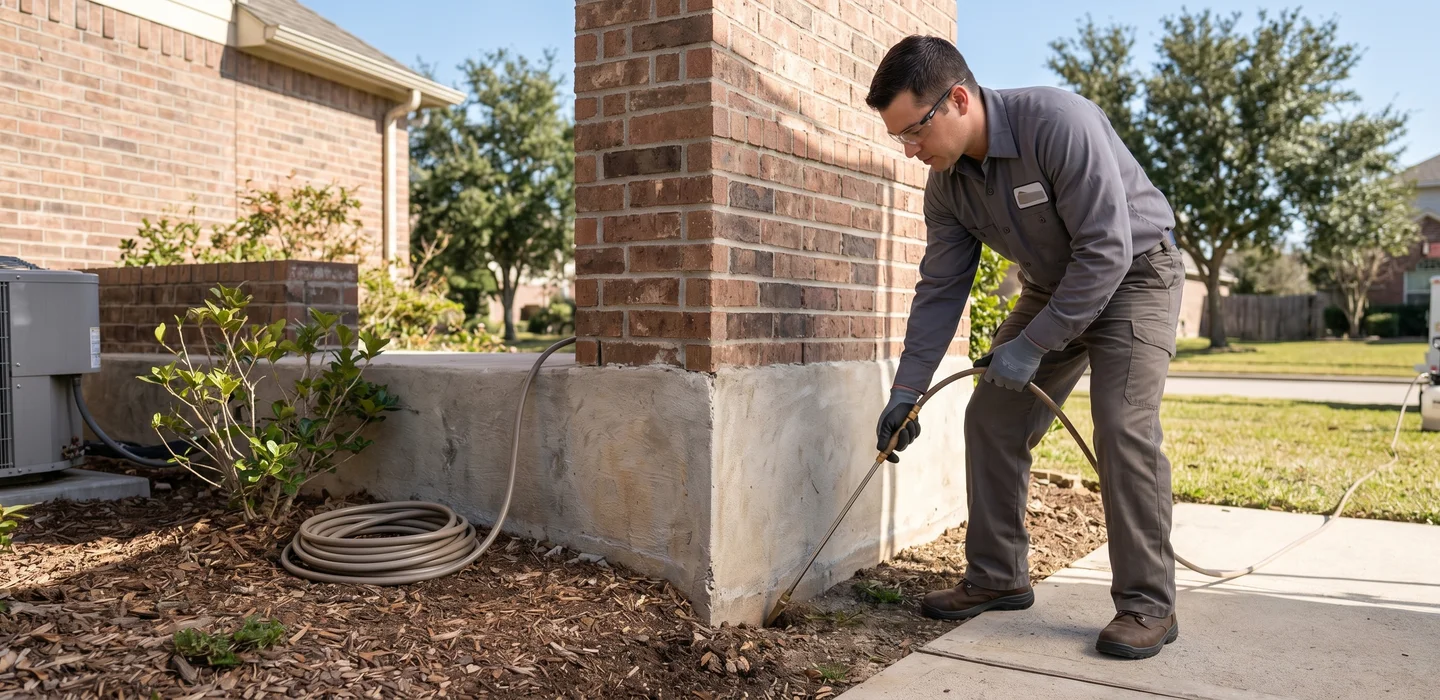
Outdoor perimeter, lawn edges, shaded zones, under-deck areas, and landscaping treated with residual insecticide to eliminate the outdoor flea and tick population that drives indoor re-infestation.
- 5
Follow-Up Visit
Return visit scheduled 2-3 weeks after the initial treatment to confirm flea activity has ended, address any new harborage zones, and re-treat if pupa-stage fleas have hatched since the first visit.
What Houston Homeowners Say About Resolve's Flea and Tick Control
“Found a tick on my seven-year-old after she was playing in the backyard. That was enough for me. David treated the yard perimeter, the shaded area under the patio cover, and the shrub beds along the fence. Haven't found a tick since. He was upfront about what to expect and didn't push any ongoing contracts.”
“Our back yard was bad — two dogs that are outside a lot. We'd tried yard sprays from the hardware store but fleas kept coming back. Resolve treated the whole yard including under the deck where the dogs like to lay. The difference was noticeable within a week. The follow-up visit confirmed everything was cleared.”
Case Study
League City Home with Two Dogs: Severe Indoor Flea Infestation Cleared in Three Weeks
The Problem
A League City homeowner with two dogs had been dealing with a flea infestation for nearly six weeks. They had used three rounds of over-the-counter flea bombs and a topical treatment on both dogs. The flea bombs reduced activity for a few days but fleas kept returning. Both dogs were on flea prevention, but the indoor population had become self-sustaining from eggs already embedded in carpet throughout the first floor.
Our Solution
David inspected the home and identified the primary egg load zones — carpet throughout the living room and hallway, both dog beds, and the base of a sectional sofa where the dogs rested. He applied a combination of adulticide and IGR to all carpet surfaces, floors, furniture bases, and pet resting areas indoors. The full yard was treated simultaneously, including the shaded side yard where the dogs spent most of their outdoor time. Detailed prep instructions had been provided in advance, including washing all bedding and a thorough vacuuming before the visit.
The Outcome
Flea biting stopped within 48 hours of treatment. Some hatching adult activity was noted at the follow-up visit 18 days later, consistent with pupae that had survived the initial treatment, and those areas were re-treated. By three weeks post-initial treatment, the home was completely flea-free. The homeowner reported the dogs had not picked up any new fleas from the yard after the outdoor treatment.
Flea and Tick Control FAQs
Why do fleas keep coming back after treatment?
Most re-infestation happens because the treatment only killed adult fleas. Eggs, larvae, and pupae in carpets and floor crevices survive and hatch over the following weeks. An IGR (insect growth regulator) disrupts that development cycle. Without IGR, the infestation restarts from the eggs already in the home even if every adult flea was eliminated.
Do I need to treat my pets too?
Yes. Resolve treats the home and yard environment but does not apply products directly to animals. Your veterinarian should provide a flea treatment for your pets on the same day as the home treatment. Treating the environment without treating the pet — or the pet without treating the environment — leaves the cycle incomplete.
How long before fleas are gone after treatment?
Adult flea activity typically stops within 24-48 hours of treatment. Some new adult activity may appear in the 2-3 weeks following as pupae hatch — pupae are the most resistant life stage and may survive the initial application. A follow-up visit addresses any hatching activity. Most homes are flea-free within 3 weeks of the initial treatment.
Do I need to leave my home during treatment?
Yes. People, pets, and birds should be out of treated areas during application and for the re-entry window after — typically 30-60 minutes after the product dries. David communicates the specific re-entry time before each visit. Vacuuming after re-entry helps activate any remaining IGR and removes dead adults.
Do ticks carry disease in Houston?
Yes. The lone star tick, American dog tick, and black-legged tick are all found in Greater Houston and surrounding areas. These species can transmit Rocky Mountain Spotted Fever, ehrlichiosis, and — less commonly — Lyme disease. Prompt tick removal and awareness of bite symptoms is important when ticks are active in your yard.
What are the signs of a tick bite?
A tick bite may appear as a small red bump or welt at the bite site. If a tick transmitted a pathogen, symptoms typically develop within 3-14 days and can include fever, headache, muscle aches, and in Rocky Mountain Spotted Fever, a spotted rash. Anyone with symptoms after a known or suspected tick bite should consult a physician promptly.
Can I get ticks in my yard in Houston?
Yes. Ticks are common in Houston-area yards, particularly in neighborhoods near wooded areas, drainage corridors, and tall grass. Lone star ticks are especially prevalent across the Houston metro. Pets, wildlife, and even migratory birds can introduce ticks to a yard. Treating the perimeter, shaded zones, and wooded borders reduces tick populations significantly.
Flea and Tick Services
Flea Treatment
Professional flea treatment covering carpets, floors, pet areas, and yard.
Tick Treatment
Yard perimeter and harborage zone treatment to eliminate ticks.
Yard Flea Control
Treat the outdoor source of indoor flea re-infestations.
Mosquito Control
Barrier spray and larvicide programs for Houston's mosquito season.
General Pest Control
Full pest control services for Houston homes and businesses.
Get Fleas and Ticks Out of Your Home — Call Today
David serves Greater Houston personally. Same-day service available. No contracts, honest pricing, and a follow-up visit to confirm the job is done.