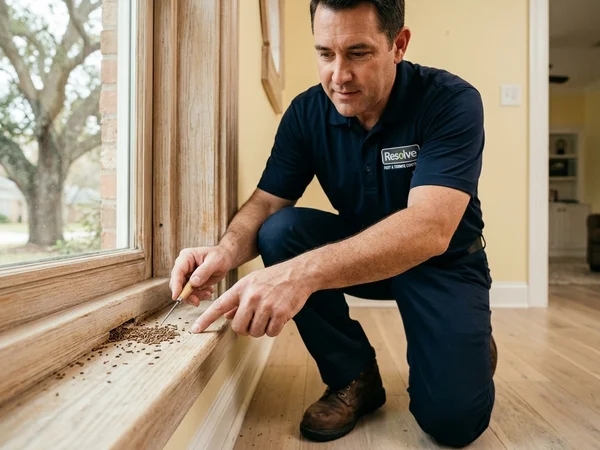
“David treated our 1958 home for subterranean termites and installed bait stations around the perimeter. He explained which product he was using and why, what to expect, and when he would come back to check. That level of transparency from a pest control company is rare. Re-inspection was clean.”
Licensed Termite Treatment
Termite Treatment in West University Place, TX
Liquid termiticide barriers and Sentricon bait stations designed for West U's older foundations and tight lots — stopping active colonies and protecting against reinfestation in one of Houston's most termite-active neighborhoods.
- Full-perimeter liquid barrier treatment for older West U slab and pier-and-beam foundations
- Sentricon Always Active bait stations positioned discreetly within tight lot constraints
- Annual re-inspection available — no long-term contract required
Why Effective Termite Treatment in West U Requires an Experienced Local Technician
Older construction on tight lots near a bayou requires a treatment approach calibrated to the actual conditions — not a standard suburban protocol.
- David applies every treatment personally — knowing your specific foundation type, soil conditions, and live oak root layout before treatment begins
- Liquid barrier treatment applied around the full foundation perimeter using EPA-registered termiticides proven effective against Formosan and eastern subterranean colonies
- Sentricon bait stations installed at intervals appropriate to your lot size — discreet placement that fits within West U's tight property lines
- Annual re-inspection program confirms treatment effectiveness and catches new pressure early — no surprise discoveries years later
- Licensed and insured with 20+ years of termite treatment experience in Harris County's high-pressure subterranean environments
- No contract required — treatment and annual monitoring on your schedule and your terms
West U Homeowners on Resolve's Termite Treatment
Liquid Barrier + Bait Stations Annual Monitoring Available No Contracts
“We discovered termite mud tubes in our crawlspace during a renovation. David came out quickly, treated the foundation, and set up the monitoring stations. He was honest about the extent of activity and did not try to scare us into services we did not need. Exactly the right approach.”
“Resolve treated our older home near West U for both subterranean and drywood termite activity. David handled both treatment types in a coordinated way and explained the difference clearly. Six-month follow-up showed no new activity. Very satisfied with the service.”
Termite Treatment Methods Used in West University Place
A combined liquid and bait approach delivers the most complete protection for older West U homes facing both subterranean and drywood termite pressure.
Full-Perimeter Liquid Termiticide Barrier
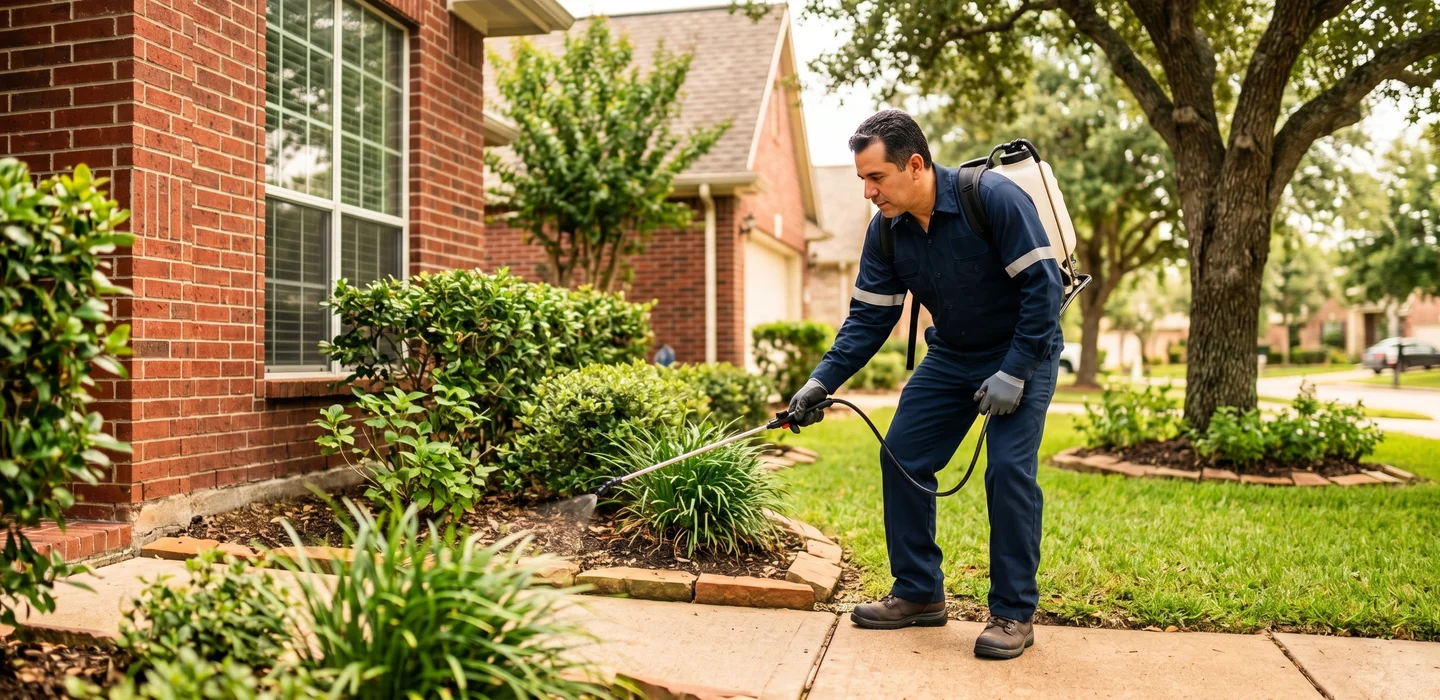
EPA-registered termiticide is applied by trench-and-treat or rod injection around the full foundation perimeter, creating a continuous protective zone that kills subterranean termites on contact as they forage in the soil.
Sentricon Always Active Bait Stations
In-ground bait stations are installed at intervals around the lot perimeter, in the soil near tree root systems, and at other high-foraging-pressure locations. Termites feed on the bait and transfer it back to the colony — eliminating the source.
Crawlspace Treatment
For pier-and-beam homes common in West U's older neighborhoods, crawlspace treatment targets the soil under the home where subterranean colonies often enter. Wood members with active damage are treated directly.
Drywood Spot Treatment
Localized drywood termite activity in attic framing, window frames, or interior wood elements is treated with targeted residual products without the disruption of whole-house fumigation when infestations are isolated.
Root Zone Treatment
West U's mature live oaks create extensive root systems that can serve as termite foraging corridors directly to the foundation. David targets bait station placement and soil treatment to address the specific entry pathways on your lot.
Annual Re-Inspection
A follow-up inspection confirms that bait stations are engaged, liquid barrier remains intact, and no new termite pressure has developed. Standard practice for West U's ongoing termite environment — no contract required.
How Termite Treatment Works in West University Place
A clear, methodical treatment process from first inspection through annual monitoring — owner-operated and straightforward.
- 1
Initial Inspection and Assessment
David inspects the home — foundation type, soil conditions around the perimeter, attic framing, and any visible termite evidence. He identifies which termite species are active, their extent, and which treatment approach fits the specific conditions.
- 2
Liquid Barrier Application
Termiticide is applied by trench-and-treat around the foundation perimeter — or rod injection where hardscape prevents trenching. The full perimeter is treated in a single visit, including garage and patio slab edges where appropriate.
- 3
Bait Station Installation
Sentricon Always Active stations are installed in the ground at intervals sized to your lot. David selects placement points that maximize interception of foraging termites, with attention to live oak root corridors and high-moisture zones near the bayou drainage area.
- 4
Annual Monitoring and Re-Inspection
David returns annually to check bait stations, inspect for new termite activity, and assess treatment effectiveness. Any bait station showing colony activity is recharged. No contract required — annual monitoring is available year-to-year.
Resolve Termite Treatment vs. National Companies in West University Place
Treating termites in older West U construction takes site-specific knowledge — not a standard protocol applied the same way to every home.
| Feature | Resolve Pest and Termite | National Pest Companies |
|---|---|---|
| Owner applies treatment personally | ✓ | ✗ |
| Treatment calibrated to your foundation type and lot | ✓ | ✗ |
| Bait stations placed to address live oak root corridors | ✓ | ✗ |
| No long-term contract required | ✓ | ✗ |
| Annual re-inspection included in monitoring program | Included | Billed separately |
| Combined liquid and bait approach available | ✓ | Often liquid-only |
| Same technician from inspection through re-inspection | ✓ | ✗ |
Case Study
How Resolve Treated Dual-Species Termite Activity in a West U Pier-and-Beam Home
The Problem
A West University Place homeowner with a 1949 pier-and-beam home discovered both subterranean termite mud tubes in the crawlspace and suspected drywood termite frass from the original attic rafters. Two separate termite species active simultaneously in the same structure — a situation requiring a coordinated treatment plan rather than addressing one and waiting on the other.
Our Solution
David applied a liquid termiticide barrier to the crawlspace soil and the exterior foundation perimeter, targeting the subterranean colony's soil foraging paths. Drywood activity in the attic rafter zone was addressed with targeted spot treatment using residual product injected directly into identified gallery locations. Sentricon bait stations were installed around the tight lot perimeter. Both treatment types were completed in a single day.
The Outcome
A 60-day re-inspection showed no new subterranean mud tube activity in the crawlspace and no additional drywood frass accumulation in the attic. The homeowner enrolled in annual monitoring with a combined crawlspace and attic check each year.
Termite Treatment FAQs for West University Place Homeowners
Which termite treatment method is most effective for older West U homes?
A combined approach — liquid barrier treatment for immediate perimeter protection and Sentricon bait stations for colony elimination — delivers the most complete protection for older West U homes. Liquid barriers stop foraging termites at the foundation; bait stations work back through the colony to eliminate it at the source. David recommends the combination for most West U properties with active subterranean pressure.
How long does a liquid termite barrier treatment last in West University Place?
Liquid termiticide barriers remain effective for approximately 5-10 years depending on soil conditions, product used, and rainfall. West U's clay soil near Brays Bayou tends to retain termiticide well. Annual re-inspection confirms the barrier is intact and identifies any areas where supplemental treatment may be needed.
Will termite treatment damage my older hardwood floors or crawlspace structure?
No. Liquid treatment is applied to the soil around and under the foundation — not to finished interior surfaces. For crawlspace treatment in pier-and-beam homes, products are applied to soil surfaces and directly to active wood elements where indicated. David selects products and application methods appropriate for older construction throughout.
How disruptive is termite treatment for a West U family?
Exterior liquid treatment requires no interior access and the home can be occupied normally during and after treatment. Crawlspace treatment requires access through the crawlspace entry — David coordinates the timing with your schedule. Bait station installation is done entirely in the yard and garden areas with no interior disruption.
Do I need to treat for both subterranean and drywood termites at the same time?
If both species are active, addressing them together is more efficient than sequential treatment. David inspects for both and recommends a coordinated treatment plan if both are present. Many older West U homes have subterranean pressure from soil and drywood activity in attic framing — both can be treated in a single service event.
How do I know if the termite treatment worked?
Annual re-inspection after treatment is the standard confirmation method. David checks bait stations for feeding activity — engaged bait stations indicate the colony is being addressed. He also reinspects the areas of previous mud tube or damage activity to confirm no new growth. You receive a written re-inspection report.
Can you treat a home that has already been treated by another company?
Yes. David can inspect and retreat a home that has previously received termite treatment from another provider. He will assess what was done, whether it was effective, and what the current termite pressure is — then recommend a treatment plan based on actual current conditions.
Related Termite and Pest Services in West University Place
West University Place Pest Control Hub
All pest and termite services for West University Place homes.
Harris County Service Area
Pest and termite control throughout Harris County.
Termite Treatment
Our full termite treatment services — liquid and bait.
Termite Inspection in West University Place
WDO inspections for real estate and ongoing peace of mind.
Termite Control in West University Place
Full-service termite control for older West U construction.
Subterranean Termite Treatment in West University Place
Targeted subterranean termite treatment near Brays Bayou.
Drywood Termite Treatment in West University Place
Spot treatment protecting original wood framing and floors.
Treat Termites in Your West U Home Today
Call David for an honest assessment and a termite treatment plan built for your specific home — older construction, tight lots, and bayou-side pressure included. No contracts, no upselling.