“We found drywood termite frass near our original 1940s hardwood floors and paneling. David inspected every room, identified two active colonies, and treated both without damaging a single piece of the original millwork. He clearly understands how to work in older homes with irreplaceable materials.”
Serving Hunters Creek Village
Drywood Termite Treatment in Hunters Creek, TX
Protecting the custom millwork, hardwood floors, and aged structural timber that define Hunters Creek Village estate homes from drywood termite colonies.
- Targeted spot treatment and whole-structure fumigation options
- Custom approach for homes with hardwood floors and millwork
- 20+ years of licensed termite control experience in Harris County
Why Drywood Termites Are a Serious Concern for Hunters Creek Homes
Aged timber, custom millwork, and hardwood floors in established estate homes create significant drywood termite targets.
- Hardwood floors and custom millwork are prime drywood termite targets
- Aged structural timber in older homes provides large colony habitat
- Drywood colonies spread silently — frass is often the first visible sign
- Spot treatment for early-stage, localized colonies
- Fumigation option for widespread or inaccessible infestations
- Protecting irreplaceable architectural details valued by long-term homeowners
Hunters Creek Homeowners Trust Our Drywood Termite Expertise
Hardwood Floor Specialists No Contracts Required Satisfaction Guaranteed
“David caught a drywood infestation in our attic framing during an annual WDO inspection before it spread to the living areas. Spot treatment resolved it quickly. I cannot imagine what we would have faced if that had been missed for another year.”
“We had a second opinion from Resolve after a national company recommended fumigation for what turned out to be two localized drywood colonies. David treated them with targeted spot treatments, saved us thousands of dollars, and gave us a genuine guarantee. Refreshingly honest.”
Drywood Termite Treatment Options for Hunters Creek
Targeted or whole-structure approaches depending on infestation extent and property characteristics.
Spot Injection Treatment
Termiticide injected directly into infested wood members through small drill holes — highly effective for early-stage, localized drywood colonies without requiring tenting.
Void and Cavity Treatment
Injection into wall voids, attic framing voids, and structural cavities where drywood colonies establish in inaccessible areas.
Whole-Structure Fumigation
For widespread infestations throughout attic framing or in multiple areas of an estate home — the only method guaranteed to reach all colonies regardless of location.
Hardwood and Millwork Protection
Inspection and treatment protocols designed for homes with original hardwood floors, custom cabinetry, carved millwork, and other irreplaceable wood features.
Frass Identification and Mapping
Drywood termite frass (pellet droppings) is the primary evidence of infestation. We systematically locate and map frass deposits to identify colony locations before treatment.
Post-Treatment WDO Inspection
Documented follow-up inspection confirms colony elimination and identifies any additional activity not addressed in the initial treatment.
How Drywood Termite Treatment Works
Accurate identification of colonies drives targeted, effective treatment.
- 1
Thorough Inspection and Frass Mapping
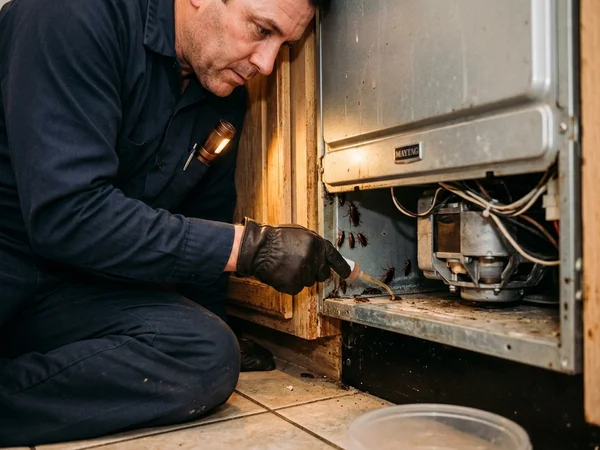
David inspects all wood members throughout the home — flooring, millwork, attic framing, and structural timbers — mapping frass deposits and identifying colony locations.
- 2
Treatment Method Selection
Based on the number of colonies, their locations, and the extent of infestation, the appropriate treatment is selected — spot injection, void treatment, or whole-structure fumigation.
- 3
Precision Treatment
Treatment is applied with precision to protect irreplaceable wood features. Spot treatments require small drill holes that are sealed after injection. Fumigation is coordinated around the household schedule.
- 4
Follow-Up and Documentation
A post-treatment inspection confirms colony elimination. Findings are documented in a WDO report for your records, and any recommended follow-up monitoring is scheduled.
Resolve Drywood Treatment vs. National Companies
Getting the right treatment for the infestation extent saves money and protects your home more effectively.
| Feature | Resolve Pest and Termite | National Pest Companies |
|---|---|---|
| Honest assessment of whether fumigation is necessary | ✓ | Often default to fumigation |
| Spot treatment option for localized infestations | ✓ | ✗ |
| Frass mapping to locate all colonies before treatment | ✓ | ✗ |
| Millwork and hardwood-safe injection technique | ✓ | ✗ |
| Owner performs every inspection and treatment | ✓ | ✗ |
| No long-term contract required | ✓ | ✗ |
| Post-treatment WDO documentation included | ✓ | Extra charge |
Case Study
Case Study: Drywood Colonies in Custom Millwork Preserved
The Problem
A Hunters Creek Village homeowner noticed frass accumulating on windowsills in two rooms of their 1960s estate home. A national company quoted whole-structure fumigation after a brief inspection. The homeowner sought a second opinion because the home's original handcrafted built-ins and crown molding made tenting a significant concern.
Our Solution
David performed a detailed inspection, including frass collection and mapping at all sill and molding locations. He identified two active drywood colonies — one in a window frame assembly in the living room and one in the attic framing above the master bedroom. Both were accessible for targeted void and spot injection treatment without tenting.
The Outcome
Both colonies were eliminated with spot injection treatment in a single three-hour visit. Thirty-day follow-up confirmed no new frass accumulation at either location. The original millwork and built-ins were fully preserved. The homeowner saved significantly compared to the fumigation quote and enrolled in annual WDO monitoring.
Drywood Termite Treatment FAQs — Hunters Creek Village
How do I know if I have drywood or subterranean termites?
The key difference is that drywood termites live entirely within the wood — they do not require soil contact and you will not see mud tubes. The most common sign of drywood termites is small piles of frass (tiny, hard, hexagonal pellets) near infested wood. Subterranean termites are typically indicated by mud tubes on foundation walls, crawl spaces, or exterior surfaces. David can confirm species during inspection.
Does drywood termite treatment require me to leave my home?
Not for spot or void injection treatments — these are applied directly into the infested wood and the home can typically be occupied during and immediately after treatment. Fumigation does require vacating the home for 2-3 days. We select the appropriate treatment method based on your infestation and work with your schedule.
Can drywood termites be treated without damaging hardwood floors or millwork?
Yes. Spot injection requires small drill holes — typically 3/16 inch — that are filled and matched after treatment. Treatment points are selected at inconspicuous locations wherever possible. For floors and very visible millwork, we discuss the approach with you before drilling.
Is fumigation always necessary for drywood termites?
No. Fumigation is the right choice for widespread infestations in inaccessible framing, but many drywood infestations — especially those caught early — can be fully treated with targeted spot injections. We recommend fumigation only when the infestation extent or location makes spot treatment insufficient.
How do drywood termites get into a house?
Drywood termites enter through exposed wood surfaces, attic vents, roof lines, and any unfinished or cracked wood. Swarmers (winged reproductives) land on wood and begin new colonies — often in attic framing, window frames, door jambs, and fascia boards. Hunters Creek's older estate homes have more entry points due to aging wood surfaces and architectural complexity.
How do I prevent drywood termites in the future?
Annual WDO inspections catch new drywood activity before colonies become established. Keeping exterior wood surfaces properly painted or sealed reduces entry points. We can provide specific recommendations for your home's most vulnerable areas based on the inspection findings.
Related Termite Services in Hunters Creek
Hunters Creek Pest and Termite Hub
All pest and termite services for Hunters Creek Village.
Harris County Pest Control
Licensed pest and termite control across Harris County.
Memorial Villages Pest Control
Serving all six Memorial Villages municipalities.
Drywood Termite Treatment (Service Silo)
Full drywood termite treatment service information.
Termite Fumigation in Hunters Creek
When widespread drywood activity requires whole-structure fumigation.
Termite Inspection in Hunters Creek
WDO inspections to confirm species and colony locations.
Termite Control in Hunters Creek
Annual monitoring and control programs for Hunters Creek.
Protect Your Hunters Creek Home from Drywood Termites
Targeted treatment that preserves your hardwood floors, millwork, and structural timber. Call David for a free assessment or request a quote online — no contracts required.